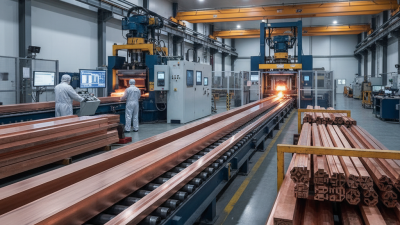
Getting the right Copper Alloy castings in the competitive world of manufacturing isn't exactly simple—it's a pretty vital part of the game, really. Industry pro John Smith from Alloy Innovations once said, “The secret sauce is building strong relationships with your suppliers,” and honestly, he's onto something. Trust and good communication really do make all the difference.
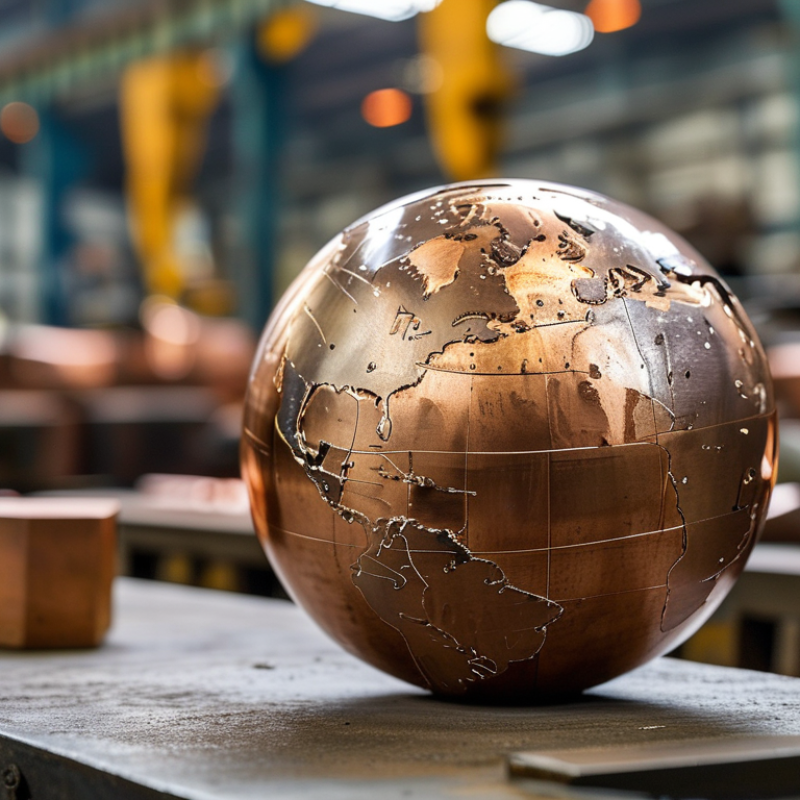
When you're sourcing Copper Alloy Castings, you gotta have a good grasp of global markets. Sure, different regions can offer some pretty cool advantages, but they come with their own quirks and challenges, too. Quality can be all over the place, so you’ve gotta do your homework and be super diligent. It’s crucial to find suppliers who are reliable and can actually deliver what you need, when you need it.
Looking at international options can be a bit of a rollercoaster—things don’t always go as planned. Different standards, practices, and expectations can make working with overseas partners tricky. That’s why many companies end up building relationships with multiple suppliers—they often get better prices and fresh ideas that way. Of course, staying on top of your sourcing game and constantly re-evaluating your strategies is key to staying ahead. It’s all about being smart, flexible, and a little bit cautious, you know?
Understanding Copper Alloys and Their Applications in Casting
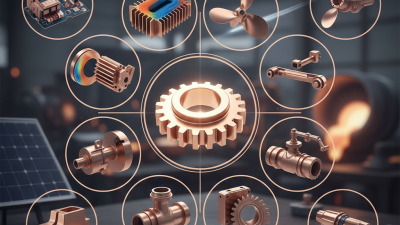
copper alloys play a vital role in the casting industry. These materials possess unique properties that make them suitable for various applications. Their resistance to corrosion, high thermal and electrical conductivity, and excellent machinability distinguish them from other metals. These attributes enable manufacturers to create components for aerospace, automotive, and marine industries.
Different copper alloys serve specific functions in casting. For instance, brass, composed primarily of copper and zinc, is renowned for its malleability and aesthetic appeal, often used in decorative items. Bronze, an alloy of copper and tin, demonstrates high strength and wear resistance, ideal for industrial parts. Understanding these differences is crucial when sourcing copper alloy castings.
However, challenges exist in sourcing these materials globally. Fluctuating copper prices can impact manufacturing costs. Additionally, variations in alloy compositions can lead to inconsistencies in product quality. Buyers must engage reliable suppliers and conduct thorough quality checks to mitigate risks. Exploring local resources and attending industry events can also enhance sourcing strategies.
Identifying Key Characteristics of Quality Copper Alloy Castings
When sourcing copper alloy castings, it is essential to identify key characteristics that ensure quality. Look for certifications that indicate compliance with industry standards. These certifications can be a strong indicator of reliability. Additionally, observe the appearance of the castings. Smooth surfaces and uniform color usually point to better quality.
Tip: Inspect samples before placing large orders. Request test reports showing the alloy’s properties. This information is crucial. Pay attention to properties like tensile strength and corrosion resistance.
Another important factor is the manufacturer’s experience. Companies with years in the industry often have refined processes. Their expertise can lead to higher-quality castings. It is wise to seek manufacturers who specialize in copper alloys. They are more likely to understand the nuances of the material.
Tip: Communicate openly with potential suppliers. Discuss your specific needs and expectations. This can help in identifying suppliers who prioritize quality. Reflect on whether their offerings align with your project requirements. Quality should never be compromised for cost.
Evaluating Global Suppliers for Copper Alloy Castings
When evaluating global suppliers for copper alloy castings, several critical factors come into play. Supplier experience and expertise in metalworking are paramount. According to industry reports, companies with over ten years of experience tend to provide more reliable products. Newer suppliers might offer competitive pricing, but they can lack the depth of knowledge required for complex projects.
Additionally, assessing the quality control measures in place is essential. A staggering 30% of production issues in casting processes are linked to inadequate quality checks. Inspecting supplier certifications can provide insights into their adherence to quality standards. Look for suppliers with ISO certifications, as these indicate a commitment to consistent quality and reliability.
Geographical considerations also affect sourcing. Some regions specialize in certain types of Copper Alloy Die Castings due to local expertise or access to raw materials. Engaging suppliers who operate within a strong supply chain can mitigate risks related to delays and logistics. Ultimately, the careful evaluation of potential suppliers based on these criteria can lead to a more effective sourcing strategy.
Assessing Cost Factors in Sourcing Copper Alloy Castings
When sourcing copper alloy castings, understanding cost factors is crucial. The price of raw materials can vary significantly across regions. Global economic conditions greatly influence these fluctuations. Therefore, it’s essential to research and stay updated on market trends.
Tip 1: Engage with multiple suppliers. Comparing quotes helps in evaluating fair pricing. It may require extra effort but can lead to better deals. Sometimes, less known suppliers offer competitive rates for high-quality products.
Logistics also play a key role in the total cost. Shipping and handling charges can inflate the price of castings, especially for international orders. Plan ahead for these expenses.
Tip 2: Consider bulk purchasing. Ordering larger quantities can reduce costs significantly. However, be cautious about overcommitting if demand fluctuations are anticipated.
Lastly, inspection and quality assurance are vital. Cutting corners to save costs can lead to issues. It’s better to invest in reliable evaluation processes.
Tip 3: Develop long-term relationships with trusted suppliers. Strong partnerships can lead to better pricing, consistency, and communication. It may require some trial and error to find the right fit.
Top Tips for Sourcing Copper Alloy Castings Worldwide - Assessing Cost Factors in Sourcing Copper Alloy Castings
| Cost Factor | Description | Average Cost Range (Per Ton) | Notes |
| Raw Material Costs | Cost of copper and alloying elements | $5,000 - $8,000 | Variable based on global metal prices |
| Manufacturing Costs | Labor and overhead for casting processes | $3,000 - $5,000 | Influenced by location and technology |
| Logistics Costs | Shipping and handling expenses | $500 - $2,000 | Depends on distance and method |
| Inspection Costs | Quality control and certification expenses | $200 - $1,000 | Varies based on required standards |
| Tariffs and Duties | Taxes imposed by governments | Varies by country | Can significantly increase total cost |
Ensuring Compliance with Industry Standards in Castings
Ensuring compliance with industry standards in castings is crucial when sourcing copper alloy castings worldwide. Each region has differing regulations. Understanding these can be a complex task. Companies must prioritize thorough research into local requirements. This ensures that all products meet necessary specifications. Not doing so may lead to costly setbacks.
Quality certifications play a major role in compliance. They provide reassurance of the material quality and manufacturing processes. Seek suppliers who have reputable certifications. This can greatly reduce risks during the production process. Selecting experienced partners can help navigate these complex standards.
It's also vital to keep track of industry trends. The market for Precision Copper Alloy Die Castings evolves frequently. Understanding these trends can highlight potential compliance issues. Regular audits can offer insights into the manufacturing practices of suppliers. However, not all manufacturers maintain rigorous quality checks. This inconsistency can jeopardize compliance. Consider establishing a feedback loop with quality control teams to improve processes continually.
Strategies for Developing Long-Term Supplier Relationships
Building long-term supplier relationships in the copper alloy casting industry is crucial for sustained success. Industry studies show that companies with strong supplier partnerships see up to 20% improvement in supply chain efficiency. Establishing trust and clear communication with suppliers can facilitate this. You can start by sharing your goals with potential suppliers. Understand their capabilities to align your needs effectively.
For effective supplier relationships, consider these tips. Visit the supplier's facilities to assess their production processes firsthand. This helps ensure they meet industry standards. Regular check-ins create a dialogue for ongoing improvement. Utilize performance metrics to evaluate supplier reliability. Aim for transparency in all dealings to foster a collaborative atmosphere.
Remember that not every partnership will be perfect. Some suppliers might struggle with production delays or quality issues. Reflect on these challenges as learning opportunities. Adjust your expectations and strategies accordingly. This adaptability can enhance your longevity in sourcing high-quality copper alloy castings on a global scale.
Utilizing Technology for Efficient Sourcing of Copper Alloy Castings
The integration of technology in sourcing copper alloy castings can vastly improve efficiency. Many businesses leverage digital tools to track suppliers and streamline communication. Online platforms enable detailed comparisons of pricing, quality, and delivery times, which enhance decision-making processes.
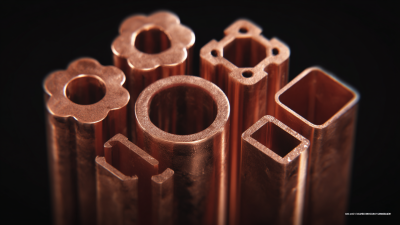
Advanced analytics help in predicting trends in Copper Alloy Extrusions. By analyzing market data, companies can identify potential suppliers across the globe. This method allows for a more strategic approach to sourcing, but it also presents challenges. Companies must ensure the accuracy of their data inputs to avoid costly mistakes.
Another technology worth mentioning is 3D printing. It offers rapid prototyping for copper alloy castings. This innovation reduces lead times, allowing companies to adapt quickly. However, it requires investment in skilled personnel and equipment. Balancing technology with traditional sourcing methods can create a more resilient supply chain.
Innovative Solutions: Water-Glass Investment Castings for Enhanced Valve Performance
Water-glass investment castings represent a breakthrough in the manufacturing of valve components, offering an innovative solution to the industry's growing demand for precision-engineered parts. This method involves the use of a silica-based solvent which yields a highly controlled casting process, enabling the creation of intricate shapes and fine details that meet the stringent requirements of valve applications. Industries such as oil and gas, petrochemical, and water treatment are particularly benefitting from these advancements, relying on the durability and anti-corrosive properties these components provide.
According to recent industry reports, the valve market is projected to reach USD 80 billion by 2025, driven by the increasing demand for efficient flow control solutions in various sectors. The ability of water-glass investment casting to deliver high-quality valve bodies and covers with superior surface finishes contributes significantly to this growth. Precision in casting not only enhances performance but also extends the lifespan of valves, which is critical in high-stakes environments where downtime can lead to significant financial losses.
Moreover, the uniformity achieved through the water-glass process minimizes the risks associated with defects in cast components, thereby ensuring reliability and safety in operation. This advancement not only addresses current industry challenges but also positions water-glass investment castings as a pivotal technology for the future of valve manufacturing, enabling manufacturers to meet evolving regulatory standards and customer expectations efficiently.
FAQS
: Copper alloys resist corrosion, conduct heat and electricity well, and are easy to machine. These features are crucial for various industries.
Brass is known for its malleability and aesthetic appeal. It is often used in decorative items and fixtures.
Bronze, made from copper and tin, has high strength and wear resistance. It's ideal for industrial components.
Sourcing can be complicated by fluctuating copper prices and varying alloy compositions. This can affect quality and costs.
An experienced supplier is likely to provide better quality products. Inadequate quality checks can lead to significant production issues.
Check for ISO certifications. These certifications often indicate a focus on maintaining consistent quality in their products.
Certain regions have expertise in specific types of alloys. Local suppliers can streamline logistics and reduce delays.
Conduct thorough inspections and engage suppliers with a strong quality control track record. This reduces risks of production issues.
Assess their expertise and industry experience carefully. New suppliers might have lower prices but can lack essential knowledge for complex projects.
Attending events allows buyers to explore local resources and network with reliable suppliers, enhancing their sourcing strategies.
Conclusion
Sourcing Copper Alloy Castings globally requires a comprehensive understanding of the unique properties and applications of copper alloys in casting technologies. By identifying key characteristics that denote quality, such as mechanical strength and corrosion resistance, buyers can make informed decisions. Evaluating potential suppliers is essential, as this involves assessing not only their capabilities but also their adherence to industry standards, which is crucial for maintaining quality and compliance.
Additionally, cost factors play a significant role in sourcing decisions, necessitating careful analysis to achieve cost-effectiveness without compromising quality. Developing long-term relationships with suppliers is beneficial for stability and trust in the supply chain. Finally, leveraging technology can streamline the sourcing process, providing efficient methods to track and manage procurement of Copper Alloy Castings, ensuring that companies remain competitive in the market.