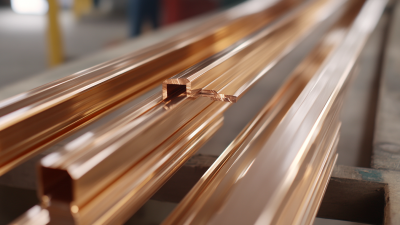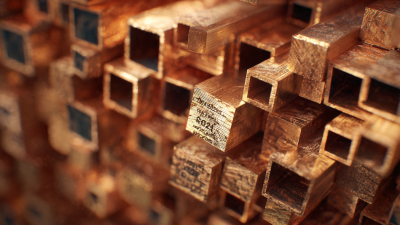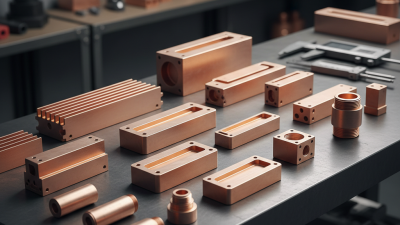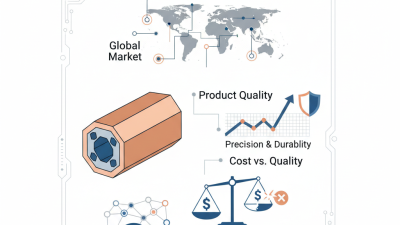
You know, there's been a pretty significant uptick in global demand for Cnc Machined Copper Extrusions. Industries everywhere are really chasing after that perfect combo of precision and quality. According to a report from Market Research Future, the CNC machining market is expected to hit around $119 billion by 2025 — and copper extrusions are playing a big role in that growth. For industries like automotive, aerospace, and electronics, having materials with high conductivity and durability is just non-negotiable.
Dr. James L. Reed, a top expert in metallurgical engineering, mentioned that “Cnc Machined Copper Extrusions offer unmatched efficiency and precision, making them indispensable in modern manufacturing.” His words really highlight a broader trend: companies are increasingly focusing on materials that not only boost performance but also help save on production costs. Of course, it’s not all smooth sailing — challenges like sourcing sustainable copper and dealing with waste are still very much part of the picture. As demand keeps climbing, finding that sweet spot between top-notch quality and environmental responsibility is more important than ever for buyers worldwide.
In this constantly changing scene, getting a solid grip on what Cnc Machined Copper Extrusions are all about is pretty crucial for companies aiming to stay ahead of the curve. Adapting to these shifts isn’t optional — it’s what keeps businesses competitive. The road to manufacturing excellence involves always learning, reflecting, and improving as we go.
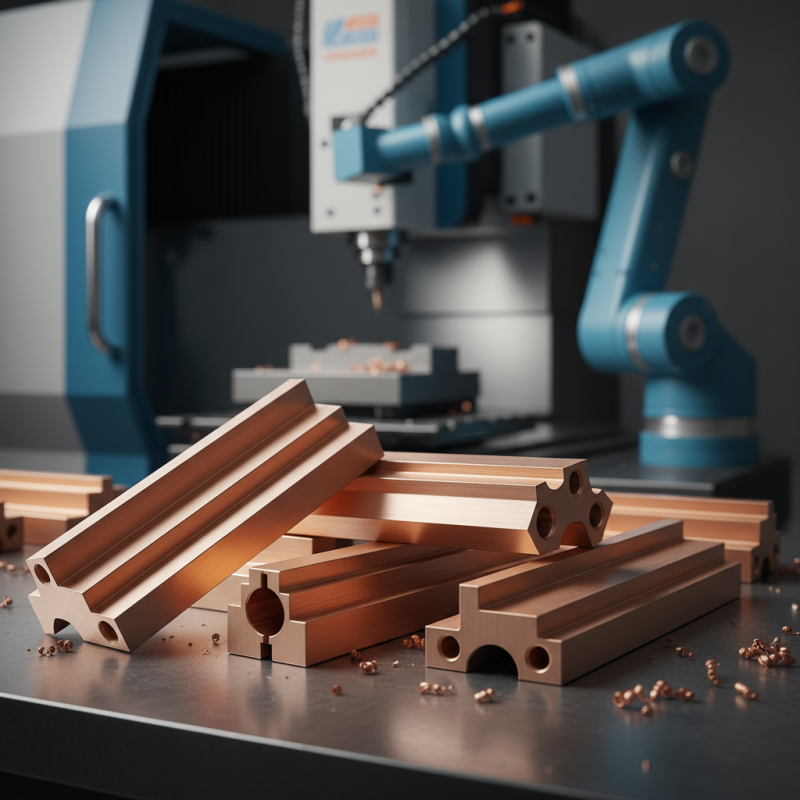
CNC machined copper extrusions are vital across many industries. They offer high precision and excellent thermal conductivity. With this advanced manufacturing technique, buyers can obtain components tailored to their specific needs. This customization often leads to optimized performance in applications such as Electrical systems and HVAC components.
However, not all copper extrusions are created equal. Quality can vary based on the machining process and the material used. Buyers must ensure they work with skilled technicians who understand the nuances of CNC machining. Poor quality may lead to failure in critical applications.
Copper Bar Extrusions are versatile. They can be shaped into various profiles for distinct uses. Still, the market for these extrusions is evolving. Some producers emphasize speed over quality, which can affect outcomes. It's essential to balance efficiency and reliability in production. Buyers should invest time in choosing the right partners to uphold industry standards.
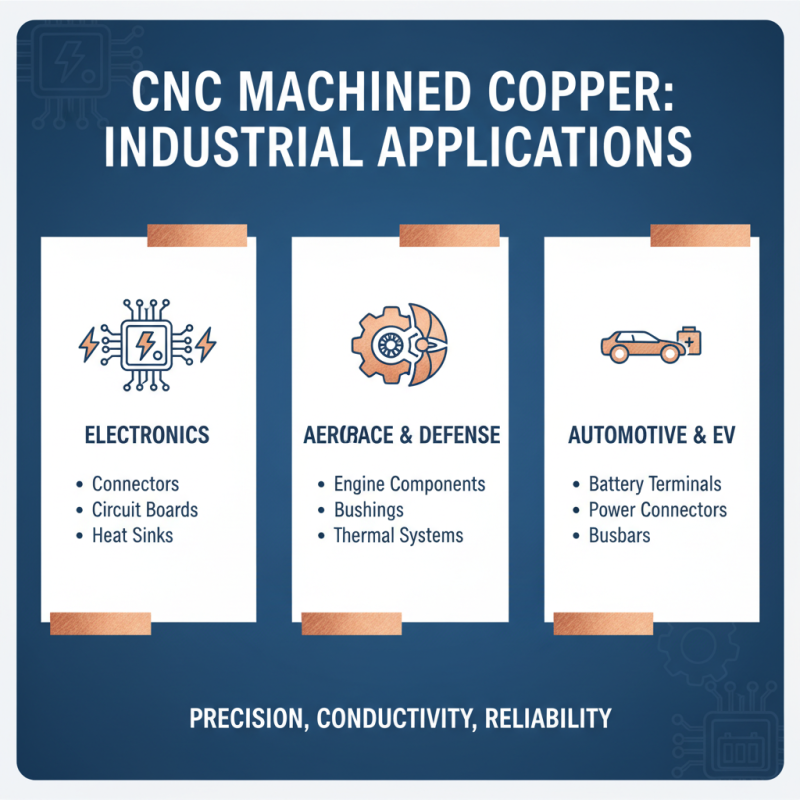
CNC machined copper plays a crucial role in various industrial applications. Its excellent electrical conductivity makes it a top choice for electronics. Components such as connectors and circuit boards rely on its properties to function efficiently. The precision of CNC machining ensures that these parts fit perfectly, enhancing overall performance.
In the automotive industry, Copper Rod Extrusions are essential. They are used in radiators and batteries, contributing to better cooling efficiency and energy transfer. The durability of copper ensures that these components withstand high temperatures and harsh environments. However, sourcing high-quality copper materials can sometimes be challenging. Buyers need to maintain vigilance in selecting reliable suppliers.
Another area where CNC machined copper excels is in the renewable energy sector. Wind turbines and solar panels often utilize copper for wiring and structural components. Despite the advantages, there can be discrepancies in the quality of machined parts. Industry professionals must prioritize thorough quality checks to ensure reliability and effectiveness in their applications.
Copper extrusions are increasingly favored in various industries. They provide excellent conductivity, making them ideal for electrical applications. The ability to shape copper into intricate forms allows for versatile designs. This flexibility is crucial for industries such as automotive and aerospace.
One significant benefit of using copper extrusions is their durability. Unlike other materials, copper resists corrosion and maintains structural integrity over time. This longevity leads to reduced maintenance costs, a critical factor for manufacturers. Additionally, Copper Tube Extrusions contribute to energy efficiency. Their thermal properties help in heat dissipation, which can improve overall equipment performance.
However, it’s essential to consider the cost of copper materials. Prices can fluctuate based on market demand, which may impact budgeting for projects. Also, not every application requires copper; alternative materials might be more cost-effective in certain situations. Evaluating these factors can enhance decision-making when utilizing copper tube extrusions.
When selecting suppliers for CNC machined copper extrusions, consider several key factors. Quality of the materials is crucial. Look for suppliers who use high-grade copper. The purity of the metal can significantly impact the final product's performance. Ask for certifications and test results when possible.
Timeliness is another key factor. Delays in delivery can disrupt your entire manufacturing schedule. Suppliers should provide clear timelines and communicate effectively. Miscommunication can lead to frustration and additional costs. Reliability in meeting deadlines is essential for smooth operations.
Tip: Evaluate a supplier's experience in the industry. The more they know, the better they can address your needs.
Pricing is often a deciding factor. However, be wary of extremely low quotes. They may indicate inferior materials or subpar workmanship. Balance cost with quality to avoid future issues.
Tip: Request samples before placing a large order. This allows you to assess quality firsthand. Testing a small batch can save you from larger losses down the road.
CNC machined copper extrusions stand out in various industries. They offer exceptional precision and strength. Global manufacturers have mastered the art of producing high-quality copper components. These parts are vital for electronics, automotive, and aerospace sectors.
Several companies prioritize innovation in production techniques. Their expertise ensures the highest standards in quality control. Advanced CNC machinery allows for intricate designs and efficient manufacturing processes. This results in customized solutions to meet specific client needs. Precision machining can significantly impact product performance. However, some manufacturers struggle to maintain consistency across large orders.
Reliable suppliers are essential for any business. They build trust through quality and timely delivery. Challenges often arise in sourcing materials sustainably. Some manufacturers are addressing environmental concerns. Trends in eco-friendly production practices are emerging. Continuous improvement is necessary in the industry.
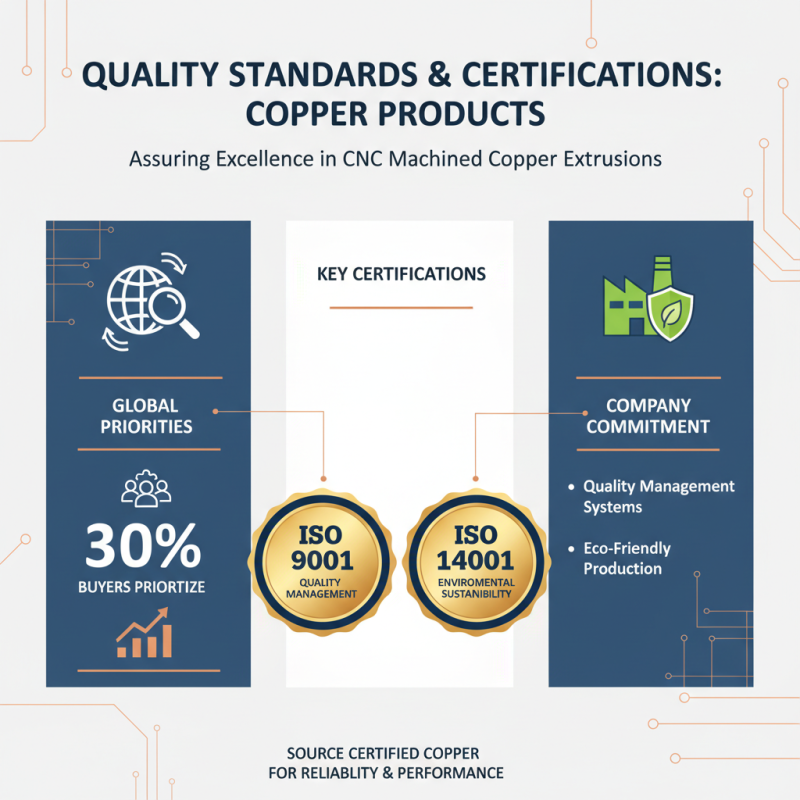
Quality standards and certifications play a crucial role in the production of copper products, especially in the context of CNC machined copper extrusions. Buyers globally seek assurance of quality when sourcing these materials. Industry reports reveal that nearly 30% of buyers prioritize compliance with ISO 9001 and ISO 14001 certifications. These standards reflect a company's commitment to quality management and environmental sustainability.
Copper Alloy Extrusions must meet specific standards to ensure performance and durability. ASTM standards, such as ASTM B224, outline the requirements for wrought copper and copper alloys. These specifications guide manufacturers in producing components that withstand demanding applications. However, not all suppliers adhere strictly to these guidelines, which can lead to variability in product quality. This inconsistency raises concerns for buyers seeking reliable sources.
Tips: Always verify certifications when sourcing copper products. Review supplier audits to ensure they meet industry standards. Engage with manufacturers who prioritize transparent quality control processes. The choice of a supplier can impact the overall success of a project involving copper alloy extrusions.
The market for copper extrusions is evolving rapidly. Increased demand from various sectors drives innovation and growth. Industries such as construction and electronics are key contributors. Copper’s unique properties make it indispensable. It is durable, malleable, and an excellent conductor of heat and electricity. This versatility attracts global buyers.
Recent trends highlight a move toward sustainability. Manufacturers are exploring eco-friendly processes. Recycling copper is gaining traction, further enhancing its appeal. However, some challenges remain. Production costs fluctuate, impacting availability. Ensuring quality while managing expenses is a constant struggle. The balance between innovation and sustainability needs careful consideration.
Future projections indicate a steady rise in demand. Technological advancements will likely play a crucial role. Automated processes can improve efficiency but require significant investment. Knowledge sharing among industry players can spark fresh ideas. Engaging in open dialogue may pave the way for collaboration and growth. The path ahead is full of potential, yet requires reflective strategies.
: They are precisely crafted components used in various industries. They offer great thermal conductivity and can be customized.
Quality varies by machining and materials. Poor quality can lead to failures in critical applications.
Industries like automotive, aerospace, and electronics benefit greatly. Their design flexibility is a major advantage.
Copper is durable and resists corrosion. This durability leads to lower maintenance costs over time.
Copper prices can fluctuate, impacting budgeting. Sometimes, alternative materials are more cost-effective.
Sustainability trends are growing. Manufacturers are exploring eco-friendly processes and focusing on recycling copper.
Balancing production costs with quality is challenging. Fluctuating prices create a constant struggle in the industry.
Technological advancements may improve efficiency. However, they require significant investment to implement effectively.
Knowledge sharing among industry players can inspire innovation. Engaging in dialogue fosters collaboration for future growth.
Yes, other materials may be more cost-effective in some scenarios. Evaluating options is crucial for decision-making.
CNC Machined Copper Extrusions are increasingly recognized for their versatility and efficiency across various industries. These extrusions offer enhanced thermal and electrical conductivity, making them ideal for use in applications ranging from electrical components to heat exchangers. The growing demand for lightweight and durable materials has propelled the popularity of CNC Machined Copper, which provides precision and consistency thanks to advanced machining techniques.
When choosing suppliers for CNC Machined Copper Extrusions, it's essential to consider factors such as quality standards, manufacturing capabilities, and certifications to ensure that products meet industry requirements. Furthermore, the market trends indicate a promising future for copper extrusions, driven by technological advancements and an increasing focus on sustainable materials. As industries evolve, the role of CNC Machined Copper Extrusions will likely expand, supporting innovative applications and solutions globally.